The Moment Everything Changed (And It Wasn't What I Expected)
I'll never forget the call from one of my buyers. She was thrilled. The inspection had passed. She was moving forward with closing in two weeks. She was imagining unpacking boxes in her new Austin home.
Then the appraisal came back.
She'd offered $425,000. The appraiser said the home was worth $410,000.
$15,000 gap.
Her voice on the phone was panicked. "What does this mean? Did I overpay? Can I still buy it? Do I lose my down payment?"
She had no idea that the moment the appraisal came back low, her power in the negotiation completely shifted. And she had no idea what her options actually were.
This is one of the most misunderstood moments in the home buying process. And it happens more often than you'd think.
What Is an Appraisal? (And Why It Matters More Than Your Offer Price)
Here's the fundamental truth nobody explains clearly: Your offer price is what you're willing to pay. The appraisal is what the lender thinks the home is actually worth.
The lender doesn't care about your offer. They care about protecting their investment.
If they're lending you $340,000 on a home you bought for $425,000, they want to know: if you stop paying and we have to foreclose and sell this house, can we actually recover our $340,000?
That's what the appraisal answers.
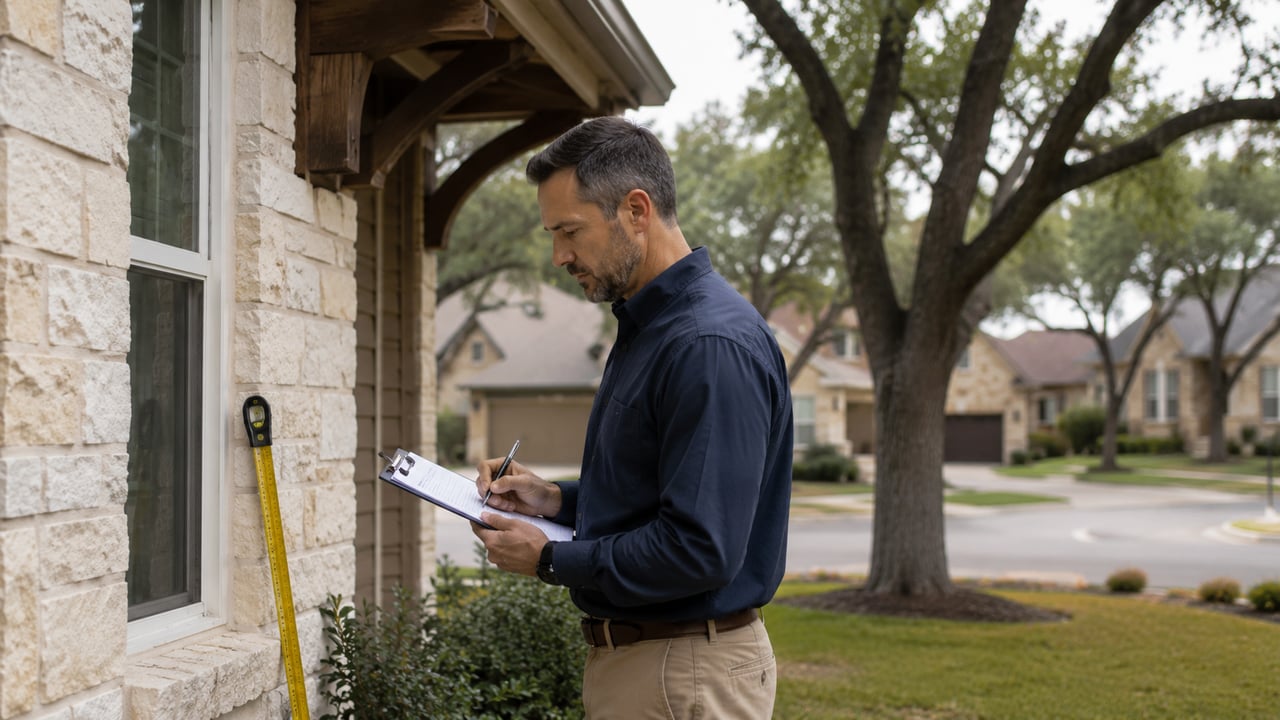
An appraiser—a licensed professional hired by the lender—examines the home, compares it to recent comparable sales in the area, and assigns a value. This value is independent of your offer price. Independent of your emotions. Independent of how much you love the home.
It's an objective assessment.
And when that assessment comes in lower than your offer, everything changes.
Why Appraisals Come in Low (It's Not Always What You Think)
First-time buyers often assume a low appraisal means the home has hidden problems. It doesn't.
A low appraisal usually means one of three things:
1. The Market Has Softened
You made an offer in a competitive moment. By the time the appraisal happens (usually 7-10 days later), comparable homes have sold for less. The appraiser uses recent comparable sales to establish value. If those comps are lower than your offer, your appraisal will be lower.
Austin's market in 2026 has softened. Homes are selling for less than they were 18 months ago. This creates appraisal gaps even when the home itself is fine.
2. The Comparables Don't Support Your Price
You found a home in a neighborhood that's transitioning. It's newer construction. But comparable sales in the immediate area are limited or lower. The appraiser has to use broader comparables, which might be in less desirable micro-neighborhoods.
Result: lower appraisal than your offer price.
3. You Offered Above Market
Sometimes it's simple: you got into a bidding war. Two buyers wanted the same home. You offered more aggressively. The appraisal reflects what the market will actually support, not what emotion drove you to offer.
This happens. It's not a character flaw. But it creates a gap.
The Appraisal Gap: What It Actually Means
Let's use real numbers.
You offered $425,000 on a home in an Austin neighborhood. Your down payment is 10% ($42,500). Your loan amount is $382,500.
The appraisal comes back at $410,000.
Now the lender has a problem. They're willing to lend 90% of appraised value. 90% of $410,000 = $369,000.
But you need $382,500 to close.
Gap: $13,500.
That's your problem now. The lender won't lend more than the appraised value. You have three choices:
Option 1: Bring More Cash to Closing
You cover the $13,500 gap yourself. Your down payment increases from $42,500 to $56,000 (13.2% instead of 10%).
Most buyers hate this option. You've already stretched to save your down payment. Suddenly needing $13,500 more feels impossible.
Option 2: Ask the Seller to Reduce Price
"The appraisal came in at $410,000. Let's adjust the price to match."
This is reasonable. The seller paid for the appraisal. They hired the appraiser. They should accept the appraiser's professional assessment.
The seller might negotiate. They might reduce to $410,000. They might split the difference at $417,500.
Or they might refuse entirely, which brings you to Option 3.
Option 3: Walk Away
Your appraisal contingency (built into your contract) allows you to terminate if the appraisal comes in below your offer price. You can walk away without penalty, get your earnest money back, and move on.
Many buyers don't realize they have this option because nobody explained contingencies to them.
The Emotional Reality (What Nobody Talks About)
Here's what I want you to understand: an appraisal gap doesn't mean the home is bad. It doesn't mean you made a mistake. It doesn't mean the home has hidden problems.
It means the market has spoken. It means you offered above what the current market will support.
In Austin's 2026 market, this is increasingly common. Homes are softening. Buyers are becoming more strategic. Appraisal gaps are happening regularly.
But emotionally, it feels devastating.
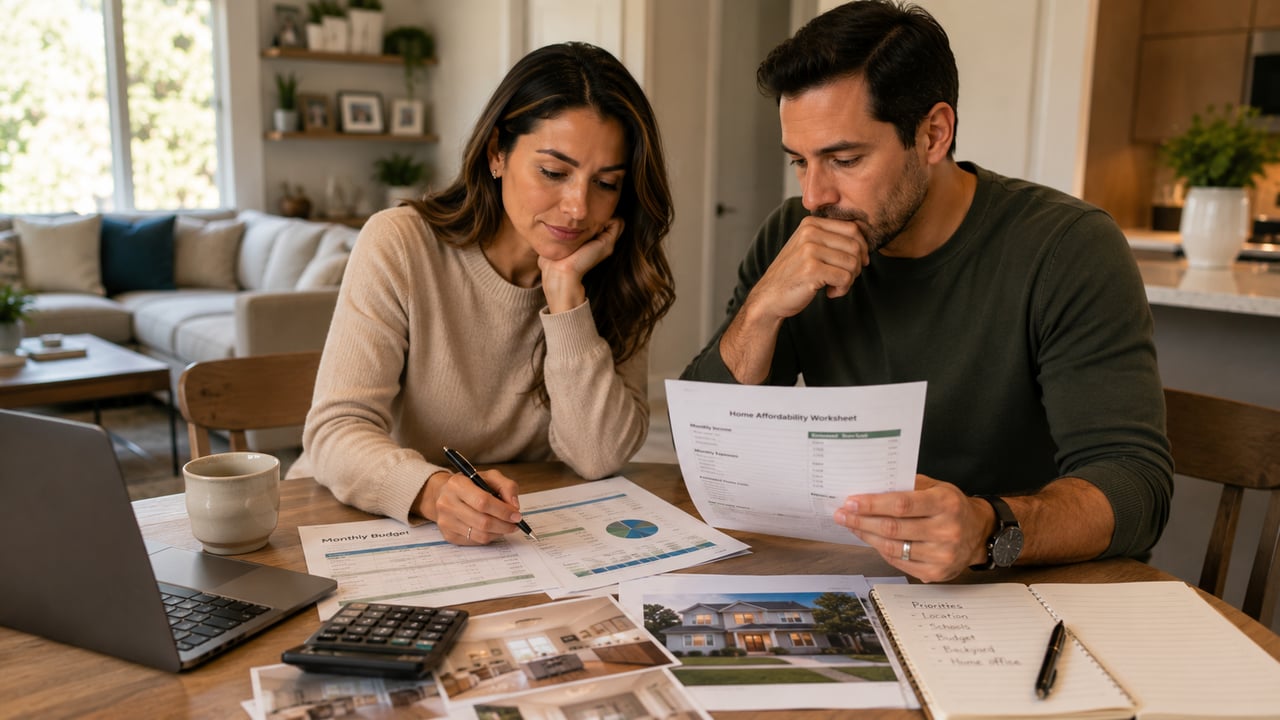
You've already emotionally moved in. You've told your family. You've imagined your kids in this home. And suddenly, there's a $15,000 barrier between you and that dream.
Your first instinct is often to bring the cash. To make it work. To not lose the home.
Here's what I tell buyers: Don't let emotion override your financial judgment.
If bringing an extra $15,000 to closing stresses your financial position, that gap is telling you something important. It's telling you that you offered above what's sustainable for your situation.
Listen to that message.
What Luxury Buyers Know (And First-Time Buyers Don't)
Luxury buyers encounter appraisal gaps regularly. It's almost expected at higher price points where comparable sales are limited.
But they handle it differently.
They negotiate. They use it as leverage. They sometimes walk away without hesitation because they understand something fundamental: this home doesn't have to be the one.
First-time buyers, by contrast, often emotionally attach immediately. They become willing to stretch financially, make poor decisions, or accept terms that aren't in their favor—all because they've already claimed this home mentally.
The power move is to remember: there are other homes. Your first home doesn't have to be perfect. It has to be sustainable.
An appraisal gap is often the market telling you this home isn't sustainable at your offered price.
How to Protect Yourself Before an Appraisal Gap Happens
1. Understand Your Market
Before you make an offer, research recent comparable sales. What are homes actually selling for? Are you offering above market? Slightly above? Way above?
In a softening market (like Austin's 2026), offering 1-2% above comparable sales is risky. Offering 5%+ is nearly guaranteed to create an appraisal gap.
2. Keep Your Appraisal Contingency
Never waive your appraisal contingency. Ever. Even in competitive situations. This is your protection if the appraisal comes in low.
In a buyer's market (which Austin increasingly is), appraisal contingencies are standard. Don't give them up.
3. Get Pre-Approved, Not Just Pre-Qualified
Pre-approval includes a preliminary assessment. Your lender has already looked at what you can actually borrow. Use this information when making offers.
If your lender says you can borrow $380,000, don't offer $425,000 and hope the appraisal supports it. It probably won't.
4. Talk to Your Lender About Recent Market Data
Before making offers, ask your lender: "What are appraisals coming in at in this neighborhood right now? Are they supporting offer prices, or coming in low?"
Good lenders have this data. They can warn you if a neighborhood is experiencing appraisal gaps.
5. Make Offers Based on Appraisal Risk, Not Emotion
Luxury buyers do this instinctively. They ask: "What's my appraisal risk if I offer this price?"
If the answer is "high risk," they either offer less or walk away.
What to Do If Your Appraisal Comes in Low
You've made an offer. The inspection passed. And now the appraisal is $15,000 below your offer.
Step 1: Don't Panic
This is normal in today's market. You have options. You have time. Think clearly.
Step 2: Contact Your Lender
Ask: "Can I appeal this appraisal?" Some lenders allow you to request a review if you believe the appraiser missed something or used incorrect comparables.
Appeals sometimes succeed. More often they don't. But it's worth asking.
Step 3: Decide Your Response
Can you bring the cash? Do you want to ask the seller to reduce? Or should you walk away?
Step 4: Negotiate With the Seller
If you decide to proceed, present the appraisal to the seller professionally. "The appraisal came in at $410,000. Here are the appraiser's comparable sales. What would you like to do?"
You can request they reduce to appraisal value. You can ask them to split the difference. You can ask them to cover the gap.
The seller's response will tell you a lot about whether this is a deal worth pursuing.
When to Walk Away (Even If You Love the Home)
Here's the hard truth: sometimes walking away is the smartest financial decision you'll make.
If the appraisal gap requires you to:
- Drain your emergency reserves
- Increase your down payment beyond what's sustainable
- Stretch your monthly payment beyond comfortable
- Eliminate your buffer for post-purchase surprises
Then the appraisal is telling you something important: this home isn't the right price for your financial situation.
Luxury buyers understand this. They walk away regularly. They know there will be other homes.
First-time buyers often don't. They see walking away as failure.
It's not. It's protecting your family's financial future.
FAQ: Appraisal Gaps Explained
Q: Does a low appraisal mean the home has problems?
A: Not necessarily. It usually means the appraisal value doesn't support your offer price. The home could be perfectly fine—you just offered above market.
Q: Can I appeal an appraisal?
A: Sometimes. Ask your lender if they offer appraisal appeals. You'd provide evidence that the appraiser used incorrect comparables or missed something. Appeals succeed occasionally but not often.
Q: If the appraisal is low, can I negotiate with the seller?
A: Yes. You can request they reduce the price to appraisal value, split the difference, or cover the gap. Whether they agree depends on their situation and how motivated they are to sell.
Q: What if the seller won't reduce the price?
A: You have three options: bring extra cash to close, walk away using your appraisal contingency, or (rarely) request the lender waive the appraisal requirement. Most lenders won't do this.
Q: Should I always waive my appraisal contingency?
A: No. In a buyer's market, keeping your appraisal contingency is protection you shouldn't give up. In a competitive seller's market, you might need to as a negotiation tactic, but understand the risk.
Q: If I walk away, do I lose my earnest money?
A: No. If you terminate during your contingency period (which includes the appraisal contingency), your earnest money is returned.
An appraisal gap creates complexity in a moment when clarity is critical. I welcome the opportunity to walk through your specific situation, explain what the appraisal means for your acquisition, and develop a strategic response that protects your interests and your financial position.
If you're facing an appraisal gap or anticipating one, let's discuss your options.
(512) 217-3961
maria@micasaagency.com
— Maria Aguirre
Mi Casa Agency | Keller Williams Lake Travis