Wondering whether a historic Georgetown home or a new build is the better fit for your life? You are not alone. In Georgetown, that choice often comes down to two very different living experiences, and understanding the tradeoffs can help you buy with more confidence. This guide will walk you through what changes most, what questions to ask, and how to decide which path fits your goals. Let’s dive in.
Georgetown offers two distinct lifestyles
In Georgetown, the decision is often less about old versus new and more about how you want to live every day. One option centers on the historic core near Courthouse Square and Old Town. The other points you toward newer master-planned communities along the city’s growth areas.
The downtown square is a nine-block, courthouse-centered area with pedestrian-oriented streets, canopy trees, sidewalks, seating, planters, and street trees. That setting gives the area a strong civic feel and helps explain why so many buyers are drawn to homes near the Square and surrounding historic neighborhoods.
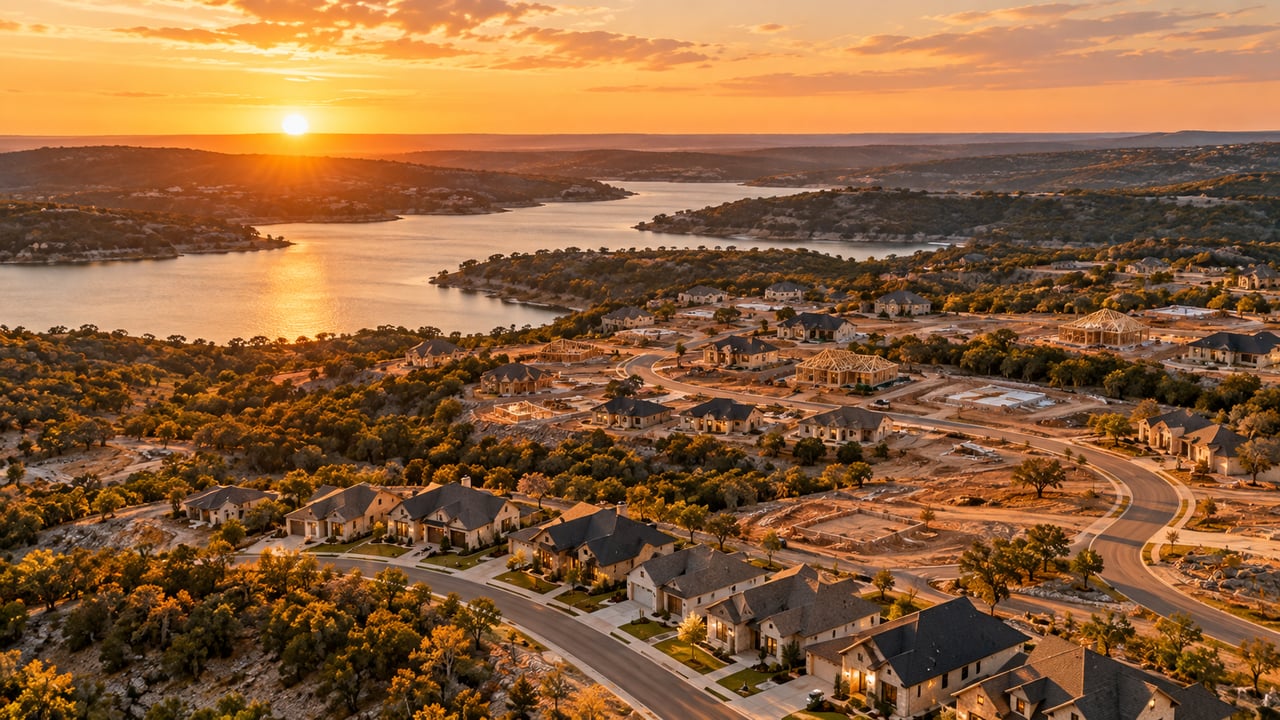
Newer communities offer a different kind of appeal. Neighborhoods like Parmer Ranch, Wolf Ranch, Parkside on the River, and Nolina emphasize shared amenities such as pools, trails, amenity centers, playscapes, and community events. If you like built-in conveniences and organized neighborhood programming, that can be a big advantage.
Historic Georgetown homes explained
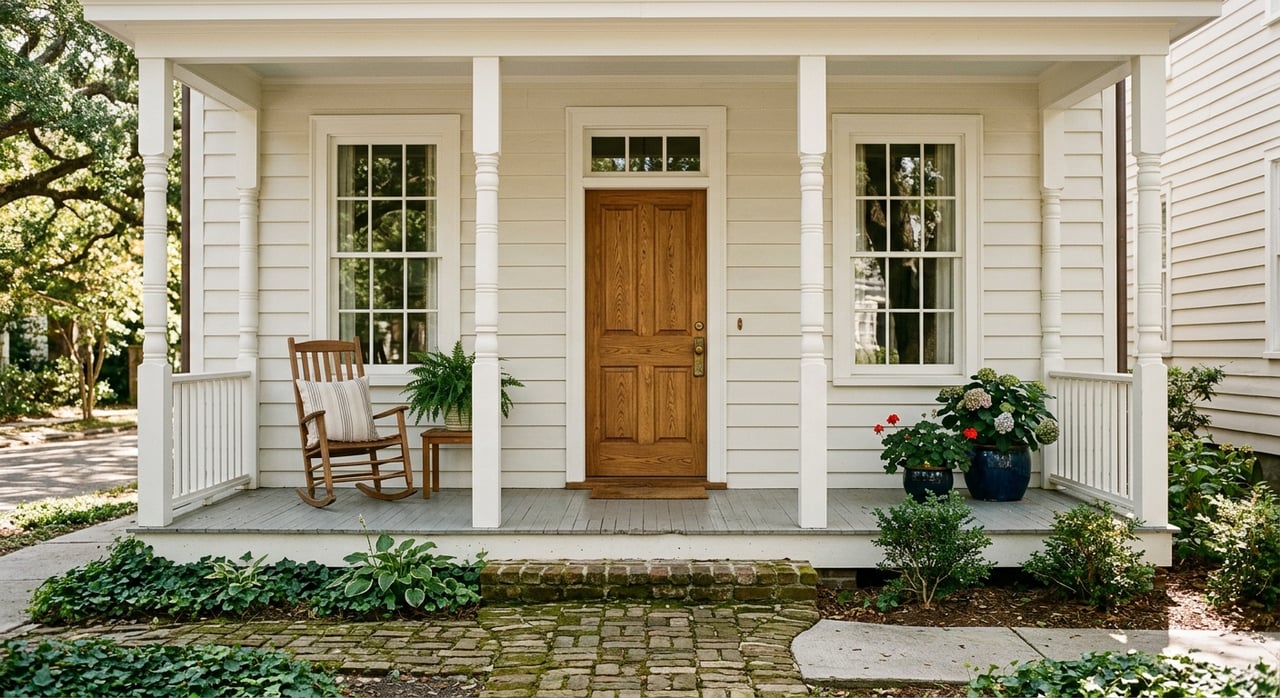
Historic homes near the Square and in Old Town often attract buyers who love character, mature trees, and established streetscapes. These homes can feel deeply connected to Georgetown’s identity, especially in areas shaped by the city’s historic overlays and preservation guidelines.
That charm comes with a different rulebook. In Georgetown’s Downtown and Old Town historic overlays, exterior improvements and some new construction may require review by city historic staff and may need a Certificate of Appropriateness. That means if you already know you want to update the outside of the home later, it is smart to think through those plans before you make an offer.
Historic homes also tend to require a more hands-on maintenance mindset. Georgetown’s guidance places strong emphasis on ongoing care for roofs, wood siding, masonry, windows, doors, and porches. In practical terms, you may need to plan for regular upkeep rather than expect a low-maintenance ownership experience.
What to inspect in a historic home
When you tour a historic home, it helps to look past the charm and focus on condition. A beautiful front porch and original details matter, but the bigger question is how well the home has been maintained over time.
Pay close attention to:
- Roof condition
- Drainage around the home
- Foundation movement
- Wood siding or brick condition
- Window repairability
- Prior additions or exterior alterations
- Documentation for earlier work or approvals
These points matter because Georgetown’s preservation guidance encourages compatible repairs and careful treatment of original materials. If past work was done without care or documentation, future repairs or updates may become more complicated.
Remodeling a historic Georgetown home
If you are buying a historic property with plans to remodel, design flexibility may be more limited than you expect. Georgetown’s guidelines say additions and exterior alterations should not destroy historic materials and should remain compatible in scale, size, massing, and architectural features while still being distinct from the original structure.
That does not mean change is impossible. It means the best historic-home buyer is usually someone with patience, realistic expectations, and appreciation for preservation-minded design. If that sounds like you, the reward can be a home with real personality and a strong sense of place.
New construction in Georgetown communities
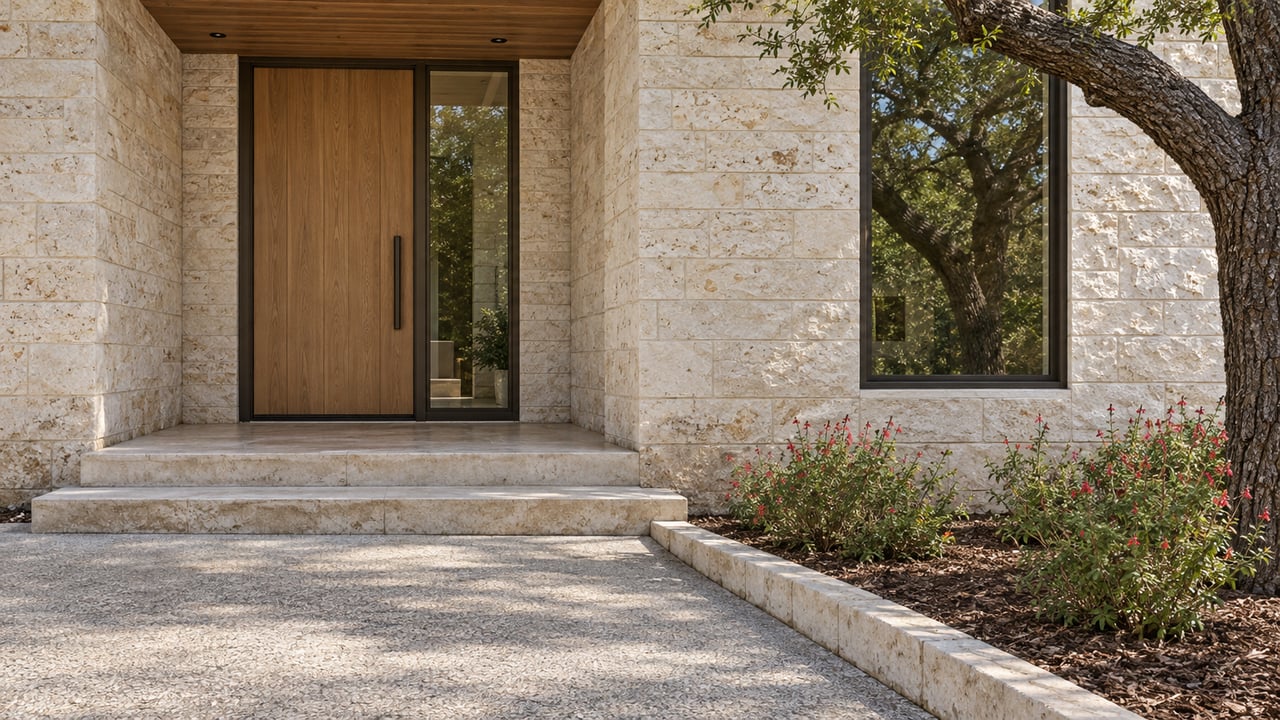
If your priority is predictability, newer construction may feel easier to navigate. Georgetown’s master-planned communities often offer more standardized systems, flexible floorplans, and a wider range of lot sizes.
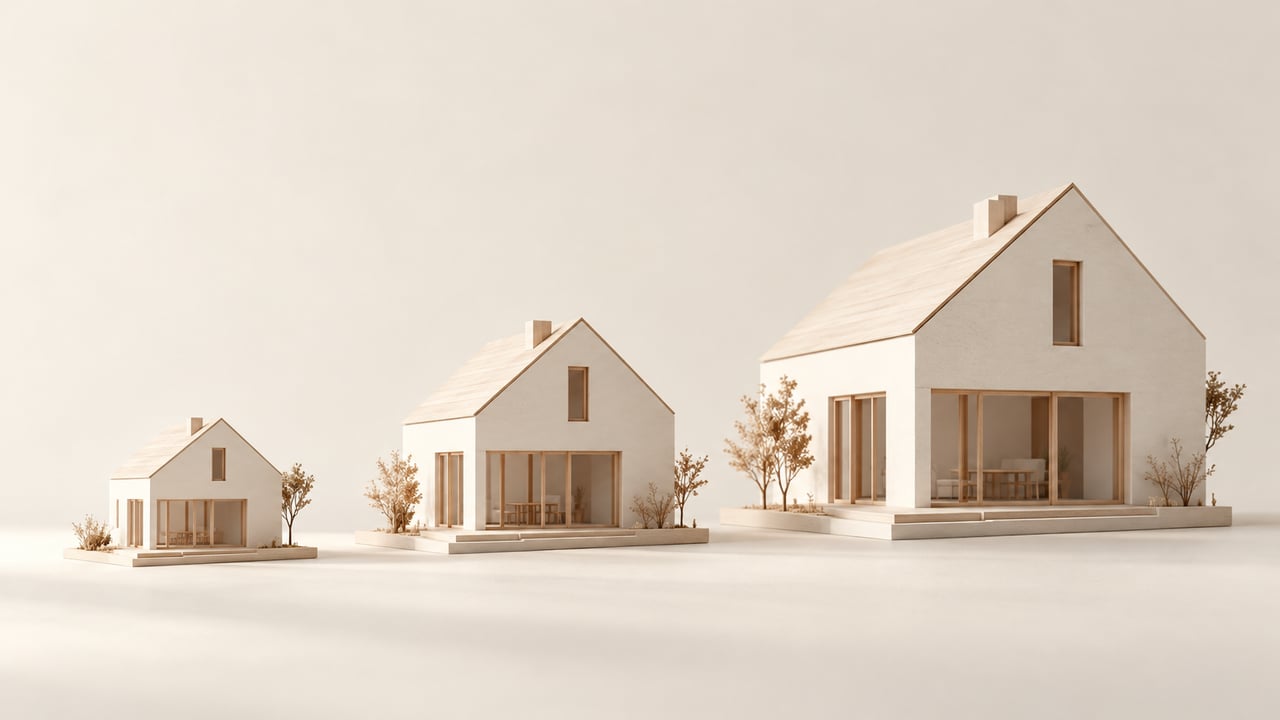
For example, Wolf Ranch notes that some sections include 40-foot lots designed for lower-maintenance living, while other sections offer 60- or 70-foot lots. Parkside on the River markets 45', 50', 60', 70', and 80' homesites, while Parmer Ranch highlights flexible spaces and larger backyards. That variety can make it easier to match a home to your budget, space needs, and maintenance preferences.
Newer neighborhoods also tend to center daily life around amenities. Wolf Ranch features two amenity centers, an onsite HOA team, and a full-time lifestyle program with hundreds of events. Parmer Ranch promotes frequent social activities and HOA events, while Nolina highlights a 7-acre amenity center with a pool, splash pad, fitness studio, event lawn, food-truck area, and year-round events.
Why buyers choose new builds
For many buyers, a new build offers convenience from day one. You may get a newer kitchen layout, more open living areas, and home systems designed to current standards.
Energy performance is another draw. ENERGY STAR says certified new homes are designed and built for better energy efficiency and performance, and the U.S. Department of Energy notes that efficient new homes can offer comfort, durability, health benefits, and lower energy use when they meet rigorous requirements and third-party verification.
That does not mean every new home is the same. It does mean you should ask what efficiency features are included and whether the home carries a recognized certification or similar performance features such as strong insulation and air sealing.
HOA and lot differences matter
When you compare new communities, the details matter more than the brochure. HOA expectations can include more than annual dues, especially in neighborhoods with extensive amenities, landscaping programs, or community event schedules.
Wolf Ranch lists a 2025 annual assessment fee of $1,067, plus an additional landscape fee for patio and garden homes. Community-specific utility arrangements can also vary by neighborhood, as shown in Parkside on the River’s HOA and utilities information. Before you buy, make sure you understand what is included, what is required, and how the neighborhood is structured.
Historic charm or new build?
The best choice usually comes down to three things: maintenance appetite, remodeling tolerance, and daily lifestyle priorities. If you want to walk near the downtown core, enjoy mature streetscapes, and do not mind preservation-sensitive upkeep, a historic home may feel like the right fit.
If you prefer a more predictable layout, newer home systems, and community amenities like pools, trails, and events, a new build may suit you better. Neither option is automatically better. The right answer depends on how you want your home to support your life.
Questions to ask before you offer
Questions for a historic home
- Is the property inside the Downtown Overlay District or Old Town Overlay?
- Will planned exterior changes need Certificate of Appropriateness review?
- What repairs have already been completed on the roof, masonry, siding, porch, and windows?
- Was earlier work documented with permits or approvals?
- If you remodel later, can new work remain compatible with the original home?
- Are you comfortable with an ongoing maintenance plan?
Questions for a new construction home
- Which section of the community is the home in?
- What is the lot width?
- Which amenities are included through the HOA?
- What are the annual dues and any added landscape fees?
- Is it an inventory home or a dirt build?
- What is the expected timeline? Wolf Ranch says a dirt build typically takes 6 to 12 months.
- What efficiency features or certifications does the home include?
- Which utility providers serve the neighborhood?
How to decide with confidence
If you are still torn, start with your daily habits instead of the home’s age. Ask yourself whether you picture weekends around downtown Georgetown’s walkable core or around neighborhood trails, pools, and scheduled events.
Then think ahead to ownership. Do you want a home that may need more hands-on care but offers character and a traditional setting? Or would you rather have a more standardized home with community amenities and fewer unknowns up front?
A clear answer to those questions can save you time, reduce stress, and help you focus on the homes that actually match your lifestyle. And if you want help comparing both options in Georgetown, María can guide you through the tradeoffs with clear, local insight.
If you are weighing historic charm against new construction in Georgetown, Maria Aguirre can help you compare neighborhoods, ask the right questions, and move forward with confidence. Hablemos.
FAQs
What is the main difference between historic homes and new builds in Georgetown?
- Historic homes near Georgetown’s Square and Old Town often offer character, mature streetscapes, and preservation-related maintenance, while new builds in master-planned communities tend to offer predictable layouts, newer systems, and shared amenities.
What should you know about historic overlay rules in Georgetown?
- If a home is in the Downtown Overlay District or Old Town Overlay, some exterior changes may require review by city historic staff and may need a Certificate of Appropriateness.
What should you inspect carefully in a Georgetown historic home?
- Focus on the roof, drainage, foundation movement, siding or brick condition, windows, prior additions, and whether earlier repairs or alterations were properly documented.
What amenities do new communities in Georgetown often include?
- Many newer Georgetown communities promote amenities such as pools, trails, amenity centers, playscapes, fitness spaces, event lawns, and resident programming.
What should you ask about HOA costs in a Georgetown new-build community?
- Ask about annual dues, added landscape fees, amenity access, architectural or landscaping expectations, and any community-specific utility arrangements.
How long can a Georgetown dirt build take?
- Wolf Ranch says a dirt build typically takes 6 to 12 months.
How do you choose between a historic home and a new build in Georgetown?
- The choice usually depends on your comfort with maintenance, your plans for future remodeling, and whether you prefer downtown walkability or amenity-focused neighborhood living.