If you want a place where historic character meets everyday convenience, Historic Georgetown stands out right away. You are not just choosing a home here. You are choosing a lifestyle shaped by walkable streets, preserved architecture, local events, and easy access to parks and trails. If you are wondering what daily life really feels like in this part of Georgetown, this guide will help you picture it more clearly. Let’s dive in.
Historic Georgetown has a distinct daily rhythm
Historic Georgetown centers around the 9-block Town Square Historic District, which is part of the original 1848 town site. According to the city’s downtown design guidelines, the area was designed to support a pedestrian-friendly experience, with wide sidewalks, benches, trees, angled parking, and storefronts that create a connected feel.
For you, that often means daily life can feel more walkable than in many suburban areas. Grabbing coffee, meeting friends for lunch, browsing a local shop, or heading to a downtown event can all happen within the historic core. At the same time, it is helpful to know that parking demand can increase during festivals and major gatherings.
Downtown living offers more than charm
The appeal of Historic Georgetown is not only its architecture. The city’s community guide notes that the broader Cultural District covers 40 blocks and includes more than 100 restaurants, wineries, shops, and galleries.
That same area also includes well-known community anchors like the Palace Theatre, Georgetown Public Library, Georgetown Arts Center, and Williamson Museum. If you enjoy having activities, dining, and local culture close to home, this part of Georgetown offers a setting that feels active without feeling overwhelming.
Events are part of the lifestyle
Living in Historic Georgetown means you are close to some of the city’s most recognized events. Official city materials highlight the March wine, local food, and downtown shopping event, the August Blazin’ Beer Crawl, and the Red Poppy Festival, which draws more than 65,000 people.
San Gabriel Park also hosts large events, including Two Step Inn. For some buyers, this kind of event calendar is a major plus because it adds energy and built-in entertainment. For others, it is simply something to plan around when thinking about traffic, parking, and crowd levels on certain weekends.
Historic homes come with unique character
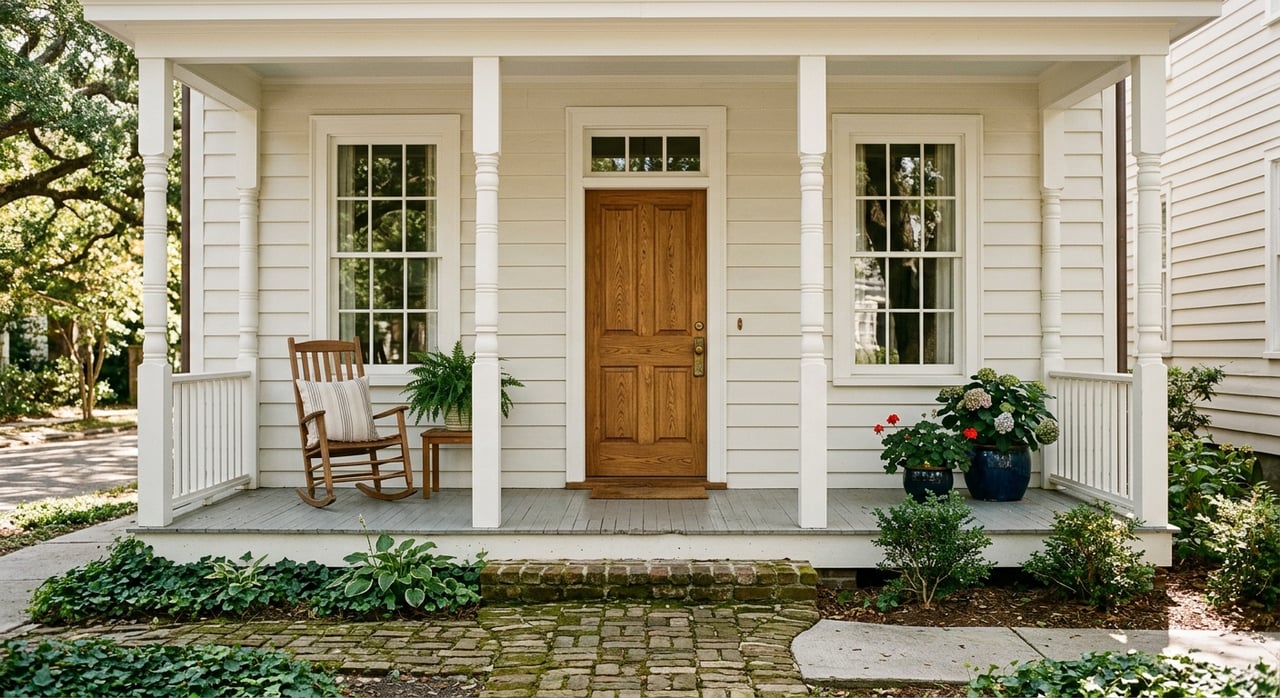
If you are drawn to older homes, Historic Georgetown offers a range of styles that you may not find in newer communities. The city’s design guidelines describe homes in Old Town as including vernacular farmhouses, Sears Roebuck kit houses, Prairie-style homes, and more elaborate Victorian properties.
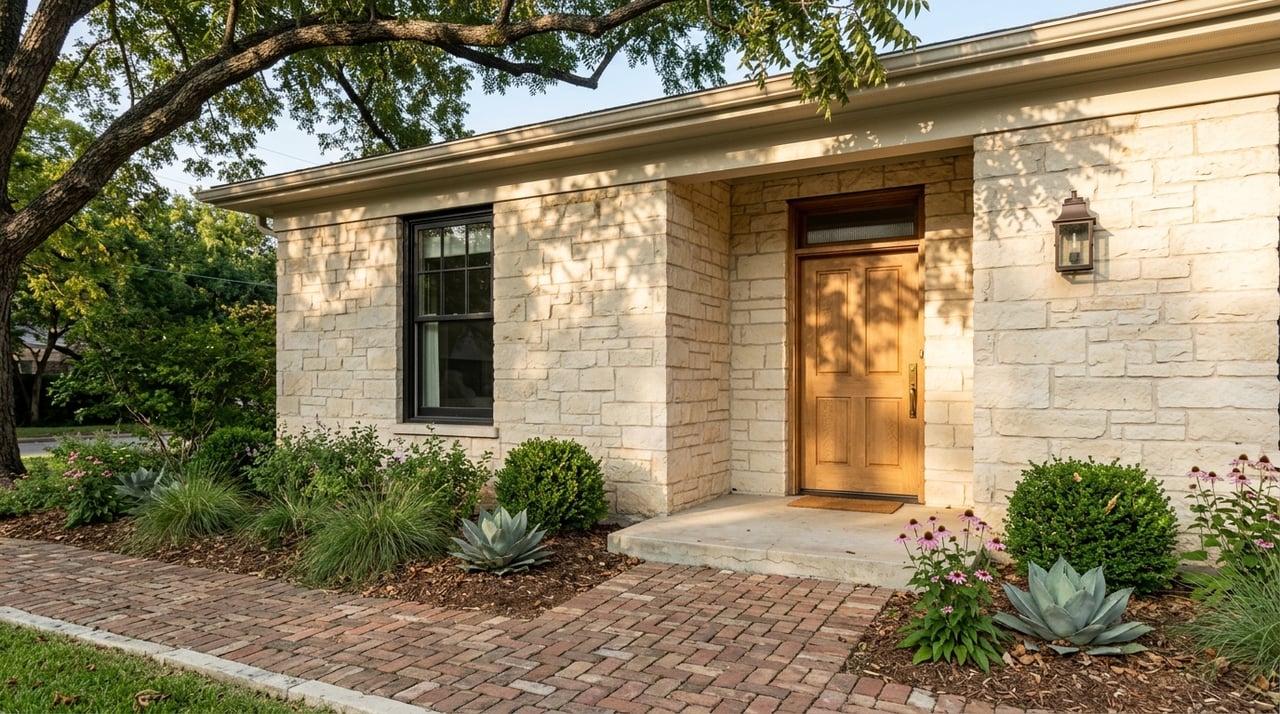
That variety is part of what makes the area feel distinctive. Instead of block-after-block of similar floorplans, you will often see homes with different eras, materials, and architectural details. For buyers who value individuality and a strong sense of place, that can be a big part of the appeal.
Preservation shapes what ownership looks like
Historic Georgetown is not treated like a typical suburban neighborhood. Georgetown has four National Register historic districts, and the Old Town overlay includes residential blocks with homes from different periods and styles. The city’s historic district overview explains that design guidelines influence both renovations and new infill.
In practical terms, that means buying in the historic core may require a different mindset. If you plan to update or expand a property, you will want to understand local design expectations early. For many homeowners, that extra layer is worth it because it helps preserve the area’s long-term character.
Outdoor access is easy to enjoy
One of the biggest surprises for many people is how much park and trail access Georgetown offers near its historic core. The city’s community guide says Georgetown has more than 1,000 acres of parkland, more than 50 parks, and a growing trail network.
San Gabriel Park is the largest at 180 acres and includes playgrounds, picnic areas, pavilions, trails, disc golf, and sports fields. If your ideal weekend includes time outside, this is a major part of what makes Georgetown feel livable.
Trails support an active routine
Georgetown’s trail system can make outdoor time feel like part of your regular routine, not just a special outing. The city’s trail map shows the Randy Morrow Trail running 5.35 miles from San Gabriel Park to Booty’s Road Park, while the South San Gabriel River Trail runs 4.15 miles to Blue Hole Park and Chautauqua Park.
The San Gabriel River Trail also links San Gabriel Park to the Katy Crossing neighborhood, and trail hours are 5 a.m. to 10 p.m. For you, that can translate into a morning walk, an after-work bike ride, or an easy weekend outing close to home.
Housing costs vary across Georgetown
One of the most important things to know is that Georgetown is not one-price-fits-all. Recent market data shows Georgetown overall had a median sale price of $395,000 in February 2026, with homes taking about 122 days to sell.
That same source shows Downtown Georgetown at a median sale price of $570,000 in June 2025, while the Belford Historic District was at $1.1 million in February 2026. By comparison, Wolf Ranch was $599,000 and Sun City Texas was $383,750 in February 2026.
The historic core often commands a premium
These numbers suggest something many buyers notice quickly once they start comparing options. Historic districts and downtown-adjacent homes often sit above the citywide median, while other Georgetown neighborhoods can offer a different value equation.
That does not make one choice better than another. It simply means your budget, lifestyle, and housing preferences matter a lot when deciding whether Historic Georgetown is the right fit for you.
Commute and access stay practical
Georgetown offers a small-city feel while staying connected to the Austin area. The city’s 2024 community guide lists approximate drive times of 35 minutes to downtown Austin and 35 minutes to Austin-Bergstrom International Airport under normal conditions.
The same guide points to access from Interstate 35 and SH 130. If you work in or travel through the Austin metro, that regional connection can make Georgetown more practical than you might expect at first glance.
Local transit is limited but available
Public transportation options are more limited here than in a larger city, but there are still some local services. Georgetown currently offers rideGTX and GoGeo services, including a 24/7 on-demand option through Uber and zTrip.
There is also Limited Paratransit and Senior Service for eligible riders, with senior service operating on weekdays from 7 a.m. to 7 p.m. and costing $2 each way. For most residents, driving remains the main way to get around, but these options can still add flexibility.
You can compare historic living with newer communities
If you love Georgetown but are still weighing your options, it helps to know that the city offers several different living environments. Historic Georgetown gives you preserved architecture, downtown energy, and a more established street pattern.
Nearby newer communities offer a different experience. According to Hillwood Communities, Wolf Ranch is a 755-acre master-planned community near Highway 29 and I-35, with more than 1,600 single-family homes, 900 multifamily units at buildout, and 140 acres of green space.
Newer neighborhoods offer another path
The same source notes that Parkside on the River is the newest master-planned community in Georgetown, located on the banks of the San Gabriel River. Sun City Texas adds another option with new home designs and resort-style amenities such as golf, fitness centers, and pools.
If you are deciding between old and new, the best choice often comes down to what matters most to you. Do you want architectural character and proximity to the square, or do you prefer newer construction and amenity-driven community planning?
Historic Georgetown is ideal for certain buyers
Historic Georgetown can be a great fit if you value character, walkability, local events, and a home with a story. It may also appeal to you if you enjoy spending time outdoors and want parks and trails close to downtown.
At the same time, it helps to go in with clear expectations. Older homes may come with different maintenance needs, renovation rules may be more detailed, and event traffic can be part of life near the square. When you understand both the benefits and the trade-offs, you can make a more confident decision.
If you are exploring Georgetown and want help comparing Historic Georgetown with newer neighborhoods, pricing ranges, or lifestyle options across the area, Maria Aguirre can help you navigate the process with clear guidance and local insight.
FAQs
What is daily life like in Historic Georgetown?
- Daily life in Historic Georgetown often includes walkable access to downtown restaurants, shops, cultural spots, and community events, along with nearby parks and trails.
What types of homes are found in Historic Georgetown?
- Historic Georgetown includes a mix of vernacular farmhouses, Sears Roebuck kit houses, Prairie-style homes, and Victorian homes, especially within Old Town and nearby historic districts.
How expensive is Historic Georgetown compared with other Georgetown neighborhoods?
- Recent market snapshots show downtown and historic areas often price above Georgetown’s overall median sale price, with costs varying widely by location and property type.
Are there parks and trails near Historic Georgetown?
- Yes, Georgetown has more than 1,000 acres of parkland, more than 50 parks, and several connected trails, including routes linked to San Gabriel Park, Blue Hole Park, and Chautauqua Park.
Is Historic Georgetown a good option for commuters?
- Georgetown offers access to Interstate 35 and SH 130, and the city lists approximate drive times of 35 minutes to downtown Austin and 35 minutes to Austin-Bergstrom International Airport under normal conditions.