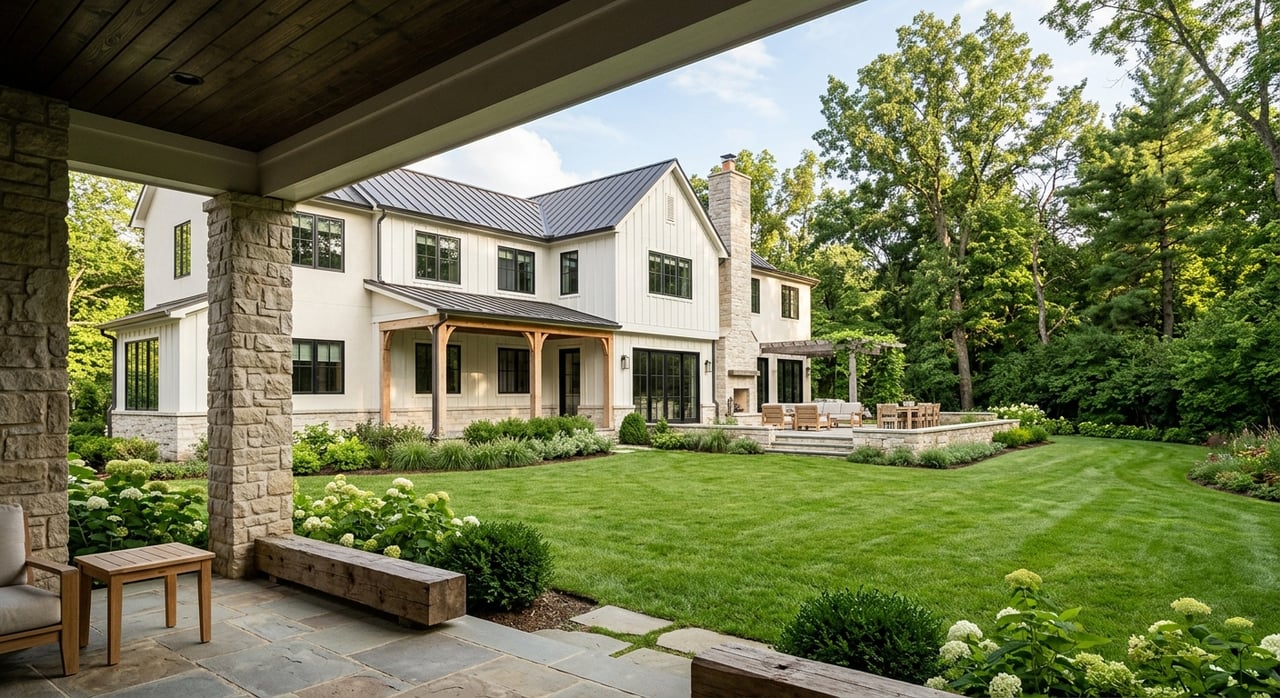
Feeling squeezed in Austin? If you want a larger home, a bigger yard, or simply more room to spread out, Leander is often one of the first places buyers look. The move can make a lot of sense, but it also comes with real questions about price, commute, new construction, and timing. This guide will help you understand what to expect when relocating from Austin to Leander for more space. Let’s dive in.
Why Leander Appeals to Austin Buyers
Leander has become a popular move-up destination for Austin households that want more space without leaving the metro entirely. Located just north of Austin in Williamson County, the city continues to plan for growth through updated comprehensive and transportation planning.
For many buyers, the appeal is simple. You may be able to trade a tighter footprint in Austin for a home with more square footage, a larger lot, or access to newer neighborhoods and community amenities. The city also highlights parks, trails, civic spaces, a library, and golf facilities, which support that lifestyle shift.
More Space Often Starts With Price
One reason buyers make this move is that Leander is generally less expensive than Austin in current market trackers. Redfin reports a median sale price of $411,000 in Leander over the last three months ending May 2026, compared with $542,460 in Austin.
That does not mean every Leander home is inexpensive. ZIP-level medians reported by Realtor.com place 78641 at about $500,000 and 78645 at about $509,900 in May 2026, which shows how pricing can vary depending on location and housing type.
The key takeaway is that Leander is not one single price point. Resale homes, smaller-lot new builds, and premium master-planned sections can differ by several hundred thousand dollars based on lot size, builder, and location.
What “More Space” Can Mean in Leander
More space can look different from one buyer to the next. For you, it may mean an extra bedroom, a dedicated office, a larger backyard, or a newer floor plan with more functional living areas.
In Leander, that space trade-off often includes more access to new construction and larger homesites than many buyers find in Austin. That is especially true in growth corridors where major communities are still being built out.
New Construction Growth Areas to Know
Several parts of Leander stand out if you are focused on newer homes and expanding development.
Northline and the downtown core
Northline is the city’s new downtown district built around the transit-oriented development core. If you want to stay connected to a mixed-use area with evolving retail, residential, and transit access, this is one of the clearest growth nodes in Leander.
Palmera Ridge for larger-home options
Palmera Ridge is a 426-acre master-planned community just off Ronald Reagan Boulevard north of Hero Way. Its location near 183A and FM 1431 makes it important for buyers comparing access, newer inventory, and homes with a larger footprint.
At completion, the community is expected to include about 1,000 homes. Builder pages and listings in the research report show pricing from the upper range of the market, including homes from the $790s and listings around $849,900 to just over $1.01M in some sections.
Travisso for higher price tiers
Travisso is another major Leander growth area with access from FM 620, FM 1431, and 183A. Current advertised pricing ranges from the $600s to $2M+, with floor plans from about 2,000 to more than 5,000 square feet.
That wide range makes Travisso relevant if your version of “more space” includes a higher-end move-up purchase. It also shows why comparing Leander neighborhoods requires more than looking at one citywide median price.
Commute Reality From Leander to Austin
If you still work in Austin, commute planning matters just as much as house hunting. For many southbound drivers, 183A is the main route.
The Central Texas Regional Mobility Authority says the 183A Toll is 11.6 miles long, and its Phase III extension north of Hero Way to north of SH 29 opened in early 2025. The authority is also studying an additional lane between FM 620 and Hero Way because of growth, while TxDOT is building frontage-road improvements on US 183 from RM 1431 to Avery Ranch Boulevard.
The practical point is that commute reliability is corridor-dependent, not fixed. One part of Leander may fit your daily routine much better than another depending on where you need to go in Austin and when you travel.
Rail is another option
CapMetro gives Leander residents another way into Austin. The Red Line has 10 stations from downtown Austin to Leander, and the Leander Station Park & Ride is near US 183 and Metro Drive.
CapMetro says the line runs six days a week. If you want flexibility between driving and transit, that can be an important factor when narrowing your search.
Timing Matters When You Sell in Austin and Buy in Leander
A move from Austin to Leander often sounds straightforward on paper, but the timing can get tricky. Current market trackers show Austin homes moving faster than Leander homes, with median days on market of 48 in Austin versus 67 in Leander.
That difference can create pressure when you are trying to line up sale proceeds, closing dates, and possession timelines. Even when the move is financially favorable, you may still need a plan for temporary housing, flexible move-out dates, or a purchase strategy that accounts for overlap.
How to Research Development Before You Buy
Because Leander is still growing, it helps to look beyond the home itself. The city provides planning tools that can help you understand what is already built, what is under construction, and what may be coming nearby.
Leander keeps a weekly development-project dashboard and publishes maps that distinguish city-limit parcels from ETJ parcels. The city also offers a Residential Properties Map showing multi-family developments and proposed subdivisions, plus a development map for current and future development areas.
If you are comparing quick move-in homes with homes still in the pipeline, the city’s Development Hub can also help you check permit or plan status. That can be useful when you want to understand whether a nearby project is nearly complete or still early in the process.
School Boundary Verification Is Address Specific
If school attendance zones are part of your decision, verify them by address before you move forward. Leander ISD serves parts of Austin, Cedar Park, Georgetown, Leander, Jonestown, and surrounding communities across nearly 200 square miles and 49 campuses.
The district says attendance zones can change from year to year, and its mapping tool is informational only. Official district information should come from the county appraisal district property search, so it is smart to confirm details early in your home search.
How to Decide if Leander Is the Right Move
Leander can be a strong fit if your top goal is getting more room while staying connected to the Austin metro. In many cases, you may find a lower typical price point than Austin, more new construction choices, and better odds of finding a larger homesite.
At the same time, your result will depend on the exact area, your commute needs, and how you manage the timing of selling and buying. A smart move is less about chasing a headline and more about matching the right Leander location to your budget and daily life.
A Simple Checklist for Your Move
If you are thinking about relocating from Austin to Leander, focus on these steps first:
- Define what “more space” means for your household
- Compare Austin sale timing with your Leander purchase timeline
- Break your Leander search into resale, entry-level new construction, and premium new construction
- Review commute options by corridor, not just by city name
- Verify school attendance information by property address
- Check nearby development activity before committing to a location
If you want help weighing Austin sale strategy against Leander buying options, Maria Aguirre can guide you through the process with hands-on local support.
FAQs
Is Leander more affordable than Austin for buyers who want more space?
- Current market trackers in the research report show Leander with a lower median sale price than Austin, but pricing varies widely by neighborhood, lot size, and whether you buy resale or new construction.
What parts of Leander have the most new construction homes?
- The research report highlights Northline, Palmera Ridge, and Travisso as important growth areas, each offering a different mix of location, price range, and home size.
How important is commute planning when moving from Austin to Leander?
- Commute planning is very important because travel time depends heavily on corridor and timing, with 183A and the CapMetro Red Line playing major roles for many Leander residents.
Should buyers verify Leander ISD attendance zones before purchasing a Leander home?
- Yes, Leander ISD says attendance zones can change year to year and that official district information should be confirmed through the county appraisal district property search.
Is it harder to coordinate selling in Austin and buying in Leander at the same time?
- It can be, because current trackers show Austin homes selling faster than Leander homes on average, which can affect closing coordination, move-out timing, and any temporary housing plans.