The Question Behind the Question
When buyers ask me about "up-and-coming" areas, what they're really asking is: where is demand actually concentrated right now, and where is it heading next? I track this quarterly, and the patterns are more specific than most general "hot neighborhood" lists suggest.
Here's where the data currently points, and why.
What "Fastest-Growing" Actually Measures
Before getting into specific areas, it's worth clarifying what this actually means. Growth can refer to population increase, new construction volume, price appreciation rate, or buyer demand relative to available inventory. These don't always move together, and an area can lead in one category without leading in others.
For this breakdown, I'm focusing primarily on buyer demand and price appreciation, since that's most relevant to someone deciding where to invest or relocate.
Northeast Austin / Pflugerville Corridor
This area continues to see strong appreciation, currently running 4 to 5 percent annually, outpacing several more established central neighborhoods. Growth drivers include continued tech corridor expansion, relatively accessible entry-level pricing compared to central Austin, and significant new construction activity that's expanding overall housing supply while still attracting steady demand.
Georgetown and Northern Williamson County
Population growth here has been substantial, driven by relative affordability, newer master-planned communities, and continued infrastructure investment along the northern growth corridor. Buyers priced out of Round Rock and Cedar Park increasingly look here for more space at a lower price point.
Dripping Springs and Western Hays County
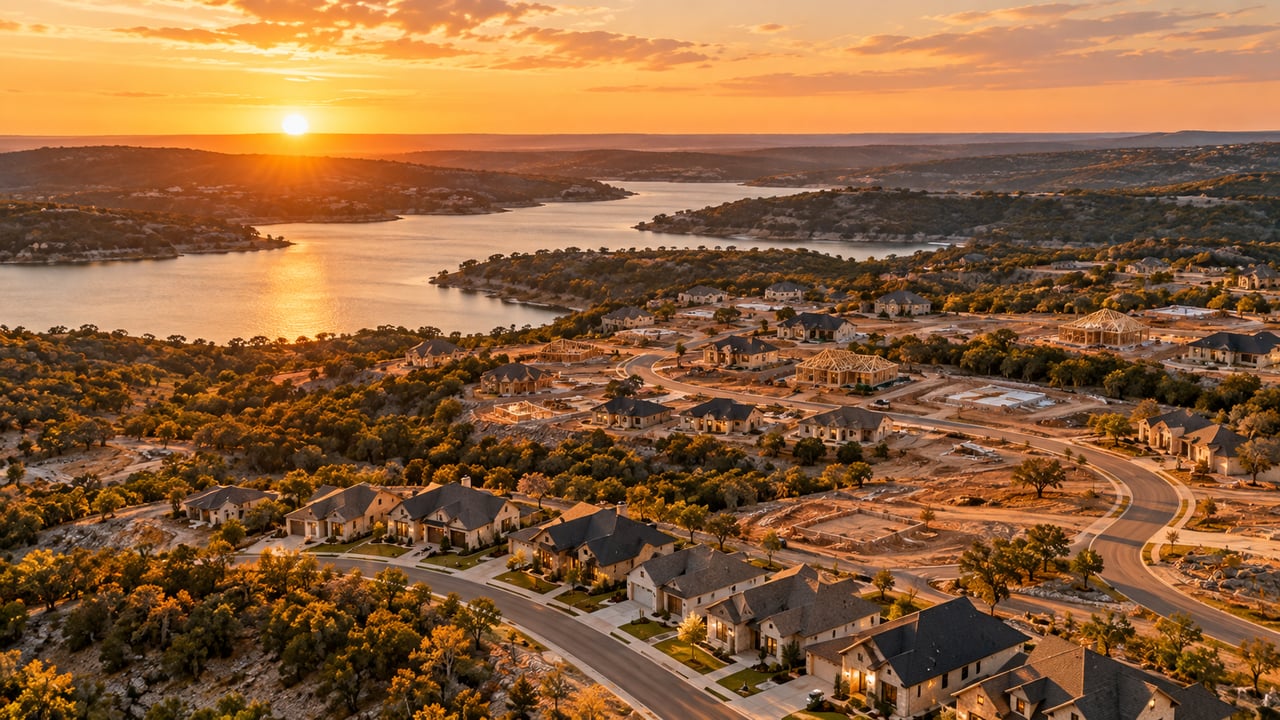
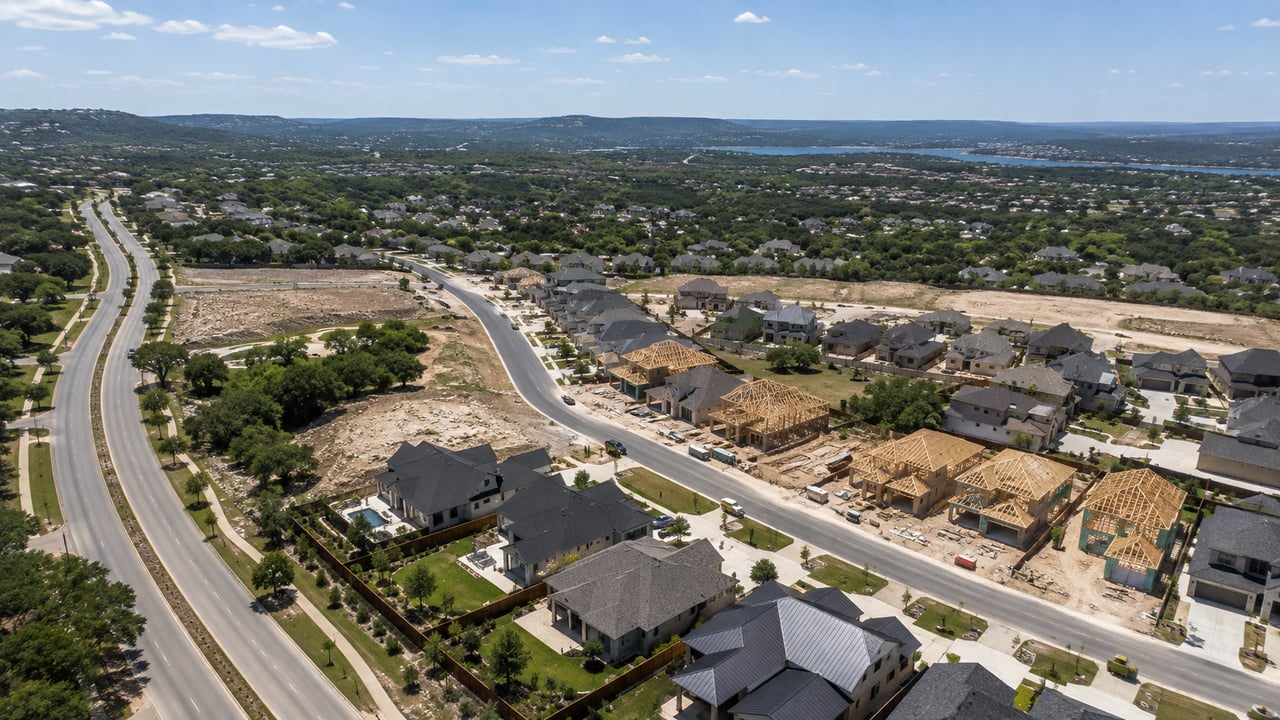
This area has seen significant new construction activity, with major developments expanding housing supply considerably. Appreciation has been somewhat tempered by the volume of new inventory competing with existing homes, but long-term demand remains strong due to Hill Country appeal and continued interest from buyers seeking more land and a slower pace within a reasonable commute to Austin.
East Austin (Select Pockets)
Certain East Austin zip codes continue to see strong demand, particularly areas with continued walkability improvements, proximity to downtown, and ongoing revitalization. Appreciation here tends to be more uneven, block by block, than in newer suburban developments, since it depends heavily on specific micro-location factors.
Buda and Southern Growth Corridor
Similar pattern to the Georgetown area but on Austin's southern side. Buda has seen consistent population growth, driven by relative affordability compared to central Austin and improving infrastructure connecting the area to major employment centers.
What's Driving This Pattern Overall
A few consistent themes emerge across all of these growing areas. Affordability relative to central Austin remains the single biggest driver, as buyers priced out of central neighborhoods look toward the metro's edges. Infrastructure investment, particularly road and highway improvements, expands which areas feel commute-viable. And new construction volume itself drives population growth directly, since new supply attracts new residents by definition.
What This Means If You're Trying to Time an Investment
Areas already experiencing rapid growth aren't necessarily where the best future appreciation potential sits, since a meaningful amount of that growth may already be reflected in current pricing.
Areas with early signs of infrastructure investment, but not yet fully built out, sometimes represent better long-term appreciation potential precisely because the growth hasn't fully played out in current pricing yet.
What This Means If You're Trying to Find the Right Lifestyle Fit
Growth data matters less than genuine lifestyle fit if you're not primarily buying as an investment. A rapidly growing area might mean more construction noise and traffic in the near term, while a more established, slower-growing area might offer more immediate community infrastructure and amenities already in place.
How I Use This Data With Clients
For buyers prioritizing long-term appreciation, I look at areas with confirmed infrastructure investment that hasn't yet been fully absorbed into current pricing, rather than simply chasing the areas with the highest current growth numbers.
For buyers prioritizing lifestyle fit over pure investment potential, I weigh this data alongside commute reality, school district preference, and genuine day-to-day quality of life, since the fastest-growing zip code isn't automatically the right fit for every buyer's actual life.
What Most Buyers Get Wrong
They chase the "hot" area based on general reputation rather than looking at actual current data, which can lead to overpaying for growth that's already reflected in pricing.
They don't distinguish between population growth and price appreciation, which don't always move together, an area can see substantial new construction and population growth while price appreciation remains modest due to increased supply.
They ignore infrastructure timeline, buying based on where things stand today rather than considering what's realistically planned for the next 5 to 10 years.
FAQ: Growth and Investment Questions
Q: Is the fastest-growing area always the best investment?
A: Not necessarily. Rapid current growth is sometimes already reflected in current pricing, while areas with confirmed but not-yet-realized infrastructure investment can offer better long-term appreciation potential.
Q: How often does this data change?
A: Meaningfully from quarter to quarter, particularly as new infrastructure projects are announced, funded, or completed, which is why checking current data close to your actual decision timeline matters.
Q: Should I buy in a rapidly growing area if I'm not investing, just looking for a home?
A: Growth data matters less here than genuine lifestyle fit, commute reality, and school preferences, though understanding the growth trajectory still helps set realistic expectations about long-term value.
Q: Does new construction hurt or help appreciation in a growing area?
A: Both, in different ways. It can temper short-term appreciation by increasing supply, while supporting long-term demand and infrastructure investment that benefits the broader area over time.
Q: Which area has the best long-term outlook right now?
A: This depends heavily on specific priorities, budget, and timeline. I recommend discussing your specific situation directly rather than relying on a single generalized answer, since the right area varies considerably by buyer.
Understanding where demand is actually concentrated, and why, helps buyers make more informed decisions whether they're prioritizing lifestyle fit or long-term appreciation. I track this data quarterly so I can guide buyers toward areas that genuinely make sense for their specific goals, not just general reputation.
If you're trying to figure out where to focus your search, let's talk through what the current data actually shows for your priorities.
(512) 217-3961
[email protected]
— Maria Aguirre
Mi Casa Agency | Keller Williams Lake Travis