The Last Chance to Catch a Problem Before It's Yours
The final walkthrough is one of the most underexplained steps in the entire buying process, and it's also one of the last real opportunities you have to catch a problem before it becomes officially your responsibility. Here's exactly what it is, when it happens, and what you're actually checking for.
What a Final Walkthrough Actually Is
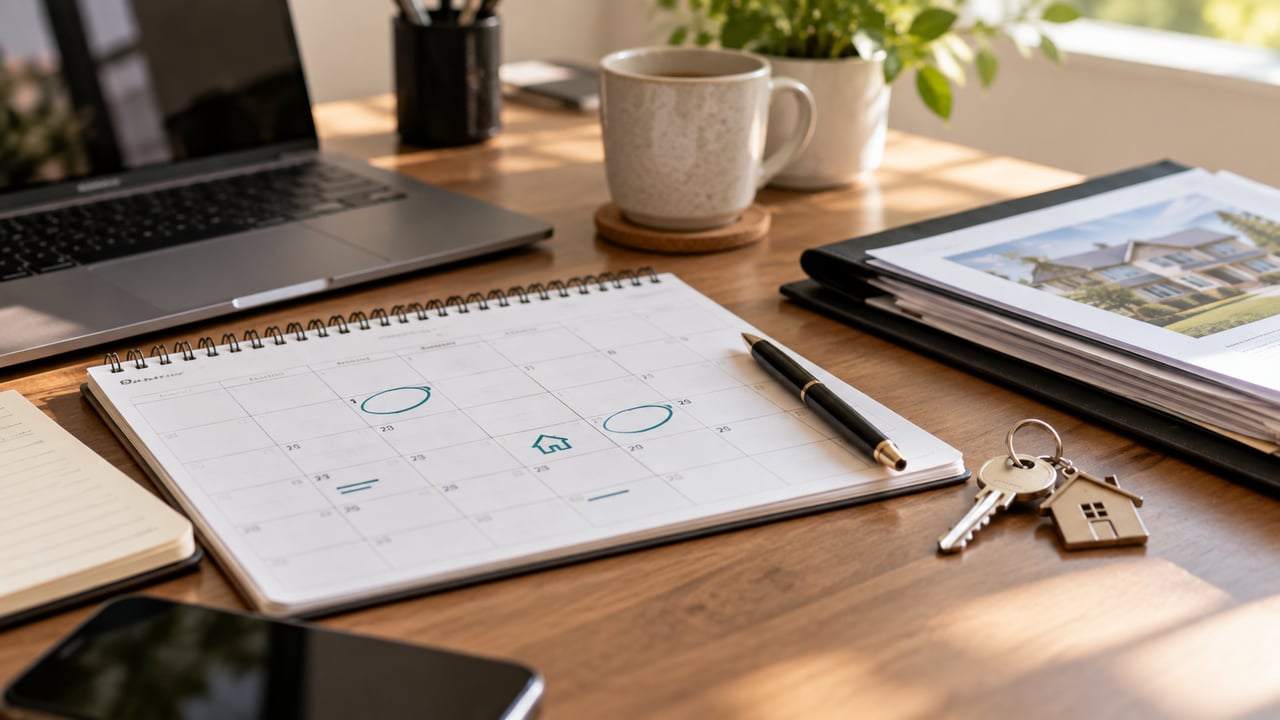
A final walkthrough is a visit to the property, typically within 24 to 48 hours before closing, to confirm the home is in the condition your contract requires. This isn't a second inspection. It's a verification step, confirming agreed-upon repairs were completed, nothing has changed or been damaged since your last visit, and everything included in the sale is actually still present.
When It Happens
Most contracts allow for the walkthrough within 24 hours of closing, though this can sometimes be scheduled a day or two earlier depending on your contract terms and closing logistics. It typically takes 30 minutes to an hour, longer for larger homes or if repairs need specific verification.
What to Actually Check
Agreed-upon repairs. If your inspection negotiation resulted in the seller agreeing to fix specific items, HVAC repair, a leaking faucet, electrical issue, verify each one was actually completed, ideally with receipts or documentation from the contractor who did the work.
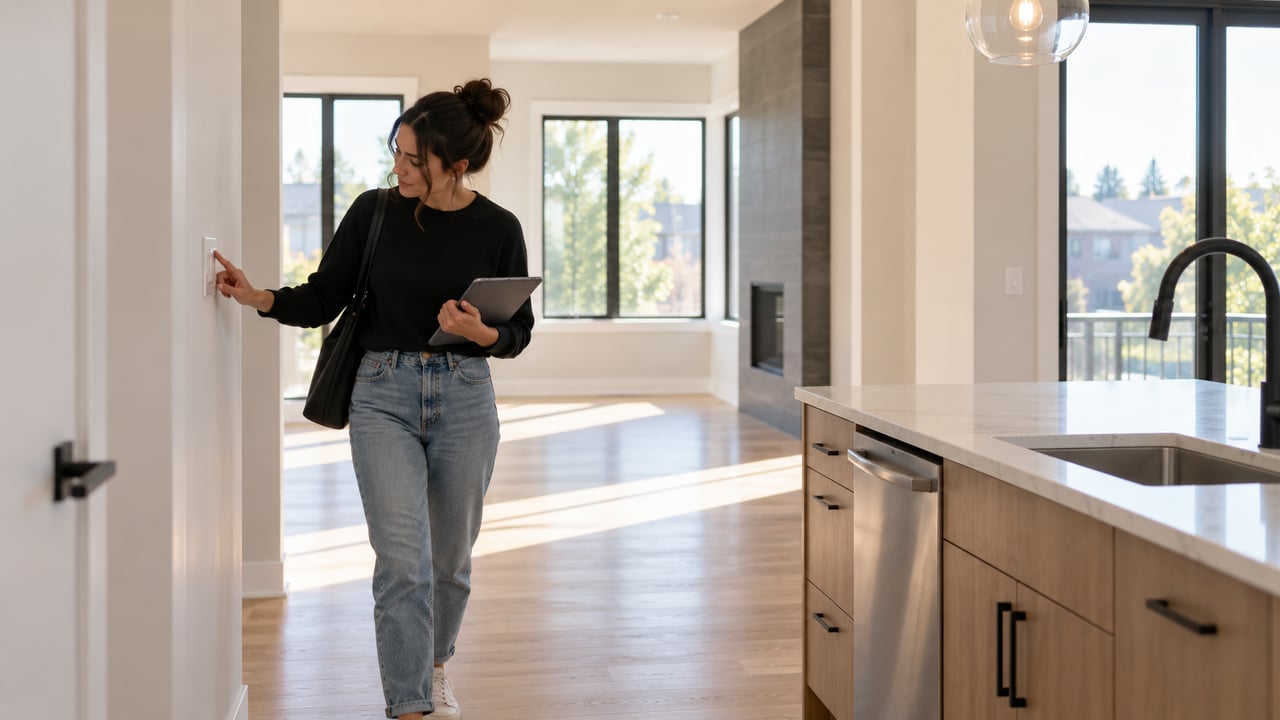
Every light switch and fixture. Turn on every light in every room. Check ceiling fans. This sounds excessive, but it's the fastest way to catch an electrical issue before closing rather than discovering it after you've moved in.
Every faucet and drain. Run water in every sink, tub, and shower. Check for leaks under sinks. Flush every toilet. Check water pressure.
HVAC system. Turn on both heat and air conditioning, even if the season doesn't call for one of them, to confirm both are functioning.
Appliances included in the sale. Test the oven, stove, dishwasher, microwave, garbage disposal, and any other appliances specifically included in your purchase contract.
Windows and doors. Open and close every window and exterior door, checking locks, screens, and that nothing was damaged since your last visit.
Garage door and opener. Test both the wall-mounted control and any remote openers included in the sale.
Overall condition compared to your last visit. Look for anything different: damage, missing fixtures, or items the seller may have removed that were supposed to stay per your contract.
Items specifically included in the contract. Verify anything explicitly negotiated to stay, window treatments, specific appliances, a shed, mounted TVs or brackets, are actually still there.
Signs of pest or water issues. Check under sinks, in closets, and around windows for anything that wasn't present during your original inspection.
Confirm the seller has moved out (unless a specific rent-back arrangement is in place), and that the home is generally in broom-clean condition as typically expected, though standards here can vary by contract.
What to Bring
Your inspection report, so you can cross-reference specific items that were flagged. Your purchase contract, specifically the section listing included items and any negotiated repairs. Your phone for photos and a flashlight if needed for closets or dark areas. A basic checklist, written or digital, so nothing gets missed in the process.
What Happens If You Find a Problem
This is where understanding your options matters. If you discover something that violates your contract, an agreed repair wasn't completed, damage has occurred, an included item is missing, you generally have a few paths forward, depending on the severity.
Delay closing until it's resolved. For significant issues, this is sometimes the right call, though it can create logistical complications if closing is scheduled for the same day.
Proceed to closing with an agreed-upon credit or escrow holdback. For issues that can be resolved after closing, sometimes the seller agrees to credit you the estimated repair cost, or funds are held in escrow until the issue is fixed.
Proceed to closing with a written agreement for the seller to complete the item shortly after. This works for minor items where delaying isn't practical, but you want documented assurance the item will still be addressed.
Negotiate a price adjustment if the issue is significant enough to affect the home's value and you'd rather handle it yourself than wait on the seller.
What Genuinely Warrants Pausing Closing
Not every issue found during a walkthrough needs to delay closing. A burnt-out lightbulb or a minor cosmetic scuff isn't typically worth holding up a transaction over. Significant issues, an agreed-upon major repair that clearly wasn't completed, substantial new damage, a major included item that's missing, are worth taking seriously and discussing with your agent before proceeding.
How I Guide Buyers Through This
I attend the final walkthrough with buyers whenever possible, bringing the inspection report and contract specifically to cross-reference against what we're seeing in person. If something comes up, I contact the listing agent immediately, while we're still at the property, so we can resolve it before closing rather than after, when your leverage is considerably weaker.
The Real Example
During a final walkthrough, a buyer discovered the dishwasher, specifically included in the contract, had been removed and replaced with an older, non-functioning unit.
Because we caught this during the walkthrough rather than after closing, we were able to contact the listing agent immediately. The seller agreed to either return the original appliance or provide a credit for a comparable replacement before closing proceeded. Had this been discovered after closing, the buyer's leverage to resolve it would have been significantly weaker.
What Most Buyers Get Wrong
They treat the walkthrough as a formality rather than an actual verification step, moving through it quickly without genuinely testing everything.
They don't bring their inspection report or contract, making it harder to remember exactly what was supposed to be repaired or included.
They discover an issue but aren't sure what their actual options are, sometimes proceeding to closing without addressing something that should have been resolved first.
FAQ: Final Walkthrough Questions
Q: Is a final walkthrough required?
A: It's not legally mandated in every transaction, but it's standard practice and strongly recommended, since it's your last opportunity to verify the home's condition before it's officially yours.
Q: How long before closing should the walkthrough happen?
A: Typically within 24 to 48 hours of closing, though this depends on your specific contract terms and scheduling logistics.
Q: What if I find a problem the day before closing?
A: Depending on severity, you can delay closing, negotiate a credit or escrow holdback, or get a written agreement for the seller to resolve it shortly after closing. Your agent can help determine the right approach based on the specific issue.
Q: Can I do the walkthrough without my agent?
A: You can, but having your agent present is valuable since they can immediately contact the listing agent if something needs to be addressed before closing.
Q: What's considered broom-clean condition?
A: Generally means the home is reasonably clean and free of the seller's belongings and trash, though specific standards can vary by contract and should be discussed if it's a concern.
Q: Should I bring a professional inspector to the final walkthrough?
A: This isn't typically necessary, since the walkthrough is meant to verify specific items rather than conduct a full inspection again. It's more relevant if you're specifically verifying a significant repair, like foundation or major systems work.
The final walkthrough is one of your last real opportunities to catch a problem before closing, and knowing exactly what to check, and what your options are if something's wrong, can prevent a costly surprise after you've already taken ownership. I walk every buyer through this process personally, so nothing gets missed in the final hours before closing.
If you're approaching your final walkthrough and want a complete checklist tailored to your specific contract, let's talk through it.
(512) 217-3961
[email protected]
— Maria Aguirre
Mi Casa Agency | Keller Williams Lake Travis