If you want Hill Country sunsets, everyday convenience, and strong school options, Bee Cave should be on your short list. You get a small-city feel with big amenities, from trails and parks to an open-air shopping district. In this guide, you’ll learn what it feels like to live here, where people shop and play, how schools are organized, and what to expect from the housing market. Let’s dive in.
Bee Cave at a glance
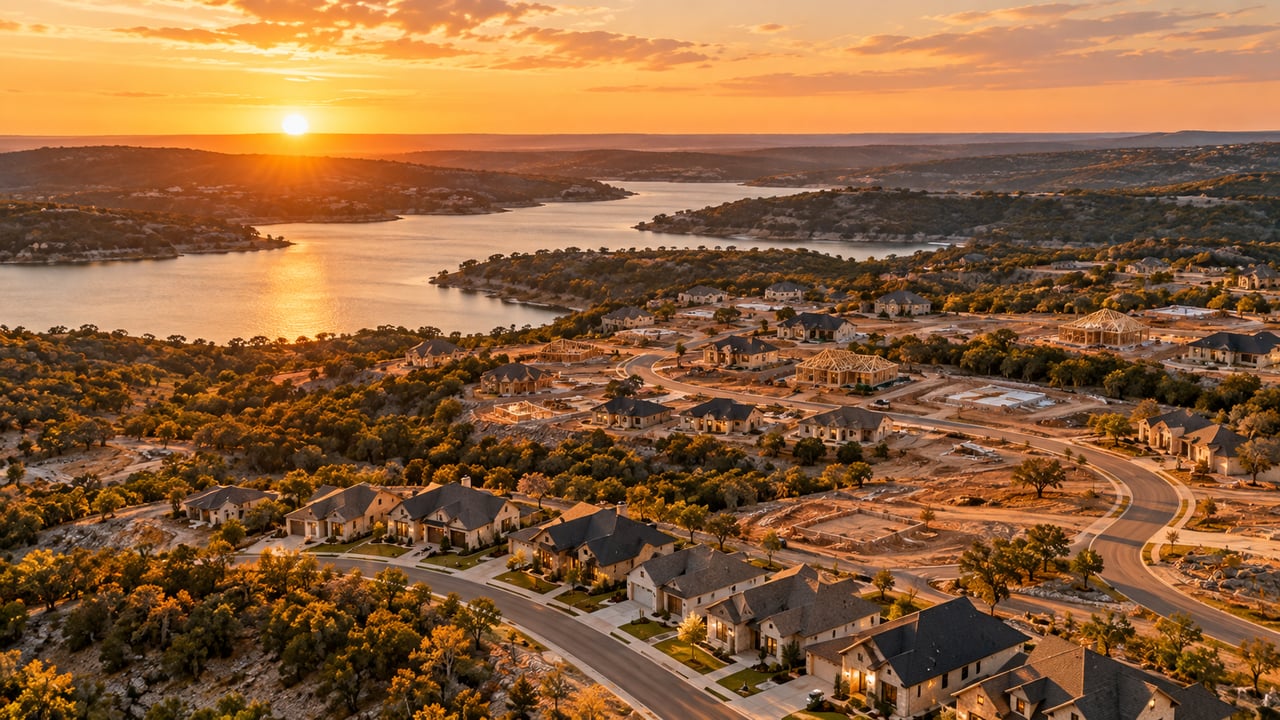
Bee Cave sits along Highway 71 in the Hill Country, about 15 to 17 miles west of downtown Austin depending on route and traffic. The city centers around the junction of TX‑71, RM 620, and FM 2244, with quick access to lake and greenbelt areas. Local visitor guides highlight its gateway setting and convenient retail core at the Hill Country Galleria. You can preview the city’s vibe and attractions through the Bee Cave Chamber’s visitor overview.
Bee Cave is a small city with a population around 8,800 and an area of roughly 8 to 9 square miles. Community snapshots also show higher median household income than the Austin metro overall. You can explore ACS-derived data on Census Reporter’s Bee Cave profile.
Lifestyle and daily living
The lifestyle blends Hill Country scenery with suburban convenience. Many neighborhoods connect to local trails and parks, so you can bike or walk to green spaces, playgrounds, and shopping. Lake access, golf, and nearby preserves make weekend plans easy.
If you value civic amenities, Bee Cave’s small-city government continues to invest in parks, trails, arts programming, and library planning. Recent local reporting covers budget priorities and facility discussions that reflect steady growth and community building. You can read a summary of recent actions in the Austin American-Statesman’s coverage of Bee Cave city council items here.
Shops, dining, and the Galleria
The Hill Country Galleria is the commercial heart of Bee Cave. It is an outdoor lifestyle center with more than 100 tenants, restaurants, a movie theater, a public green, and regular events. Local guides often point to anchors like Whole Foods, Dillard’s, and Cinemark among others. For many residents, this is where errands, dinner plans, and community events all meet in one stop. Learn more about the Galleria and local happenings via the Bee Cave Chamber’s visitor page.
A growing small-business and arts scene rounds out the calendar. Seasonal concerts, pop-up markets, and sculpture displays give the city a year-round, family-friendly event rhythm on the central lawn and nearby public spaces.
Parks, trails, and Lake Travis
Bee Cave operates an interconnected trail system that links neighborhoods with Central Park and the Galleria corridor. Highlights include the Bee Cave hike and bike connector, Central Park’s perimeter trail, and a primitive mountain-biking and hiking area. See trail maps and updates on the City of Bee Cave Parks and Recreation page.
Within a short drive, you can explore Hamilton Pool Preserve, one of the Hill Country’s most photographed natural swimming holes. Reservations are required and swimming may be restricted at times for safety or water quality. Check current rules and reservations through Travis County Parks’ Hamilton Pool page.
Lake Travis is the primary water playground for this corridor. Public parks and boat ramps, including popular spots like Pace Bend and Mansfield Dam Park, offer shoreline access, day-use facilities, and scenic overlooks. Before you go, review county park pages for fees, hours, and lake conditions.
Schools and education
Bee Cave is served by Lake Travis Independent School District (LTISD). Families typically ask about Bee Cave Elementary, Bee Cave Middle, and Lake Travis High School when researching moves, though exact assignment depends on current boundaries. For performance and accountability context, LTISD shared results from the Texas Education Agency’s recent A to F release in district news updates. You can read the latest district summary on LTISD’s news page and explore Lake Travis High School’s campus site for programs and contacts.
School zones can shift as the area grows, so always confirm current feeder patterns directly with LTISD before you buy.
Housing styles and price context
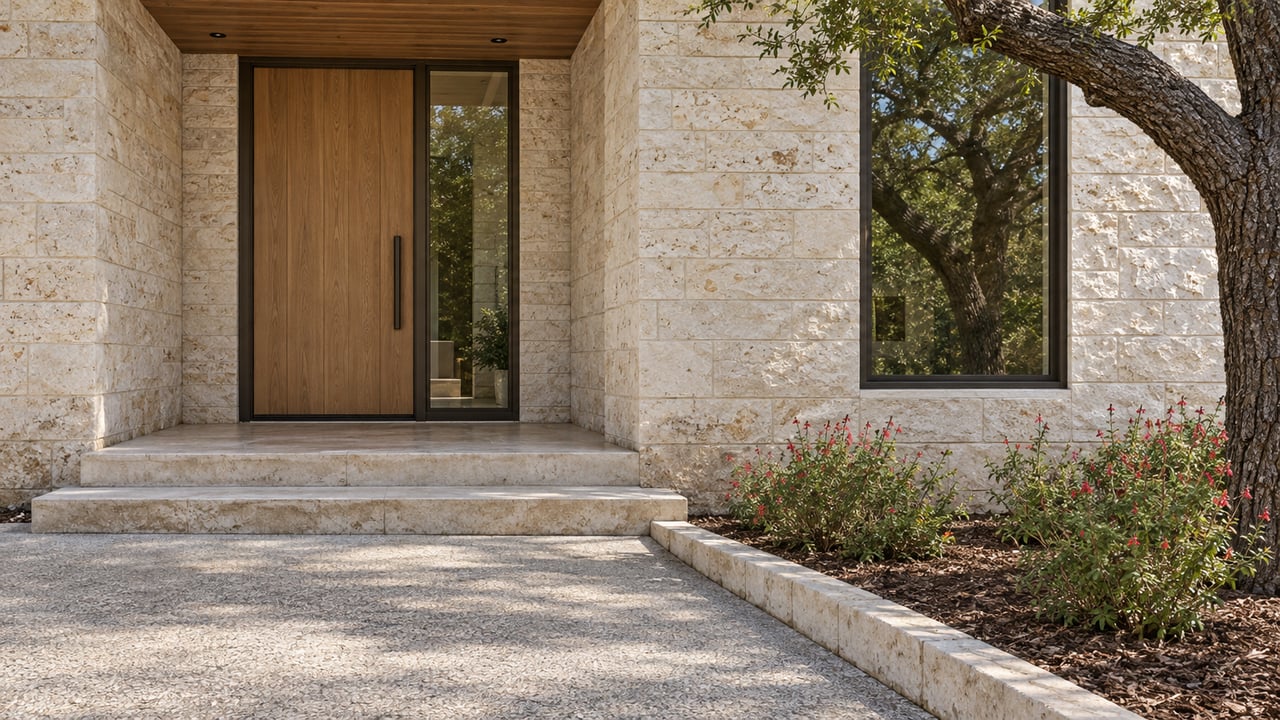
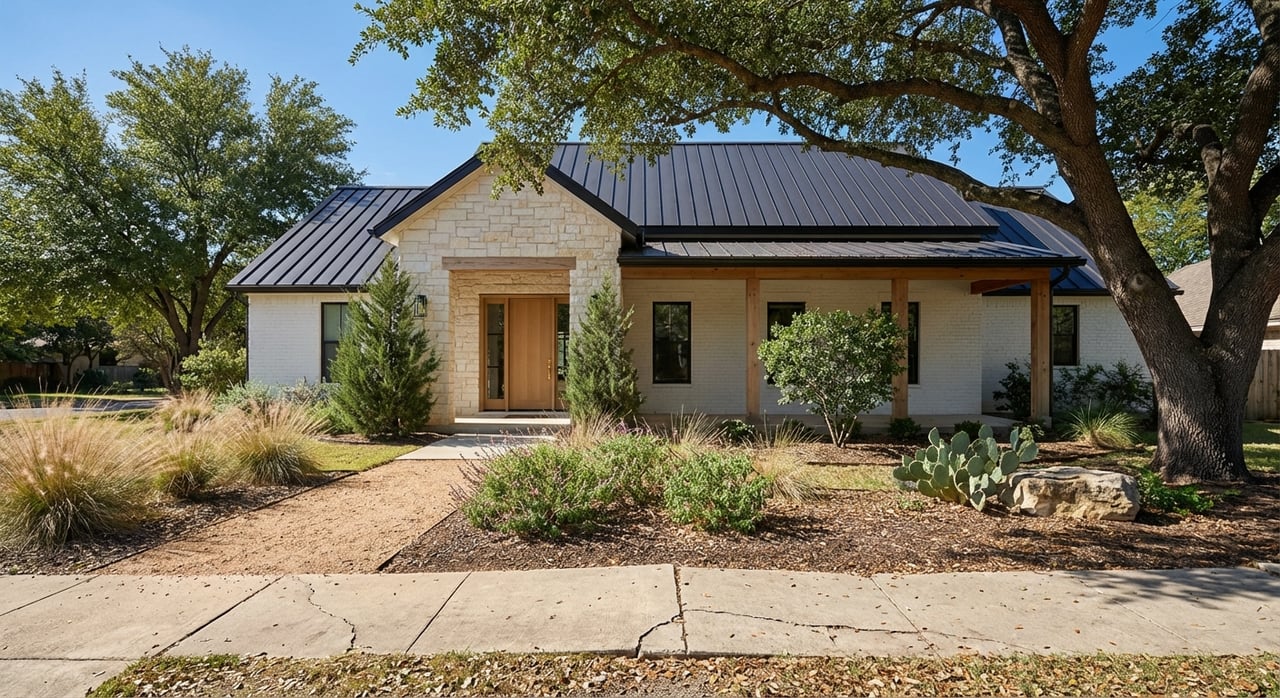
You will find a mix of golf-course communities, gated enclaves with estate lots, and newer development near the Galleria corridor. Architecture leans Hill Country and transitional, with stone exteriors, open-plan interiors, and outdoor living spaces that take advantage of views.
Market snapshots consistently place Bee Cave as an upper-tier Austin suburb for pricing. Zillow’s market pages often show typical home values in the high six figures, while Redfin’s monthly snapshots have reported median sale prices in a similar band. As of early 2026, entry to mid-range single-family listings in Bee Cave commonly list from the mid six figures into the low seven figures, with gated estates selling higher. Because methodologies and timing vary by provider, check the latest figures on Zillow and Redfin before you set your budget.
When comparing options, look beyond list price to total monthly cost. Property taxes, HOA fees, and utility arrangements can vary, especially in fringe or acreage areas that may use different water or sewer providers. Your agent can help you review tax records and HOA documents so you understand the true carrying cost.
Neighborhood spotlights
Here are a few areas that often come up when buyers start their Bee Cave search. Always confirm school assignment and HOA details before you tour.
- Falconhead and Falconhead West. These planned golf communities feature a mix of production and custom homes with 2 to 4 plus bedrooms. Many homes offer access to nearby trails and parks, and most addresses are within LTISD boundaries. Lots range from modest suburban sizes to larger parcels on the western side.
- Spanish Oaks and other gated enclaves. A luxury cluster known for larger lots, custom architecture, and a private golf lifestyle. Expect premium finishes, extensive outdoor living, and a focus on privacy and design. Properties here trend higher in price due to lot size, construction quality, and amenities.
- Galleria corridor townhomes and newer builds. Close to shopping and dining, this area includes newer townhome and multifamily options approved in recent years. The appeal is low-maintenance living with short drives to work routes and everyday errands.
Commute and access
Most residents drive to work using TX‑71 east toward Loop 360 or MoPac, or RM 620 to connect with other corridors. Under light traffic, many commuters report 20 to 30 minutes into West or Central Austin. During peak rush, travel can run significantly longer. Public transit is limited compared with central neighborhoods, so plan to drive or carpool.
For air travel, local guides commonly list Bee Cave at about 22 miles from Austin-Bergstrom International Airport. Actual drive times vary by time of day and route, so check a mapping app when you plan your trip.
Growth and what it means for you
Bee Cave continues to grow, with city leaders advancing park, library, and multi-unit housing discussions. Council agendas and local reporting point to steady planning activity and new approvals that add housing variety near the core. That can translate to more choices for buyers and evolving amenities for residents. If you are comparing neighborhoods, factor in upcoming projects, potential construction timelines, and any planned roadway improvements. The Austin American-Statesman provides periodic updates on key city items here.
Is Bee Cave a fit for you?
Bee Cave works well if you want Hill Country scenery, quick access to Lake Travis recreation, and an active retail and dining hub. You will trade some extra drive time to downtown for the space, views, and trails many people want. If schools, outdoor time, and convenience matter to you, this city belongs on your tour list.
If you are thinking about buying or selling in Bee Cave, I am here to help. From first-time buyers to luxury listings, I bring bilingual service, neighborhood insight, and marketing that moves the needle. Ready to explore your options or price your home? Connect with Maria Aguirre to get started. Request a Free Home Valuation — Hablemos.
FAQs
How far is Bee Cave from downtown Austin and the airport?
- Bee Cave sits about 15 to 17 miles west of downtown Austin by common routes, and roughly 22 miles from Austin-Bergstrom International Airport, with drive times that vary based on traffic and time of day.
What school district serves Bee Cave and how do I verify campuses?
- Bee Cave is served by Lake Travis ISD; review current boundaries and programs on LTISD’s site and the Lake Travis High School campus page to confirm exact school assignments for a specific address.
What is the housing price range in Bee Cave right now?
- Market pages from Zillow and Redfin place Bee Cave in the high six-figure to low seven-figure band for many single-family homes, with gated estates higher; check the latest provider snapshots for up-to-date numbers.
What outdoor recreation is near Bee Cave besides neighborhood parks?
- Residents often visit Lake Travis parks and Hamilton Pool Preserve for boating, swimming, hiking, and day-use activities; always check Travis County Parks for current access, fees, and swimming rules.
How is the commute from Bee Cave to major Austin job centers?
- Most people drive using TX‑71 and RM 620, with light traffic often in the 20 to 30 minute range to West or Central Austin and longer during peak rush; public transit options are limited in this corridor.
Which neighborhoods should I start with if I want different home types in Bee Cave?
- For golf-oriented living, look at Falconhead and Falconhead West; for luxury estates, explore Spanish Oaks; for lower-maintenance proximity to shopping, consider townhomes near the Hill Country Galleria corridor.